
berylhornung18
About berylhornung18
The Rise of Private Plane Services: A Case Study on Luxury Travel
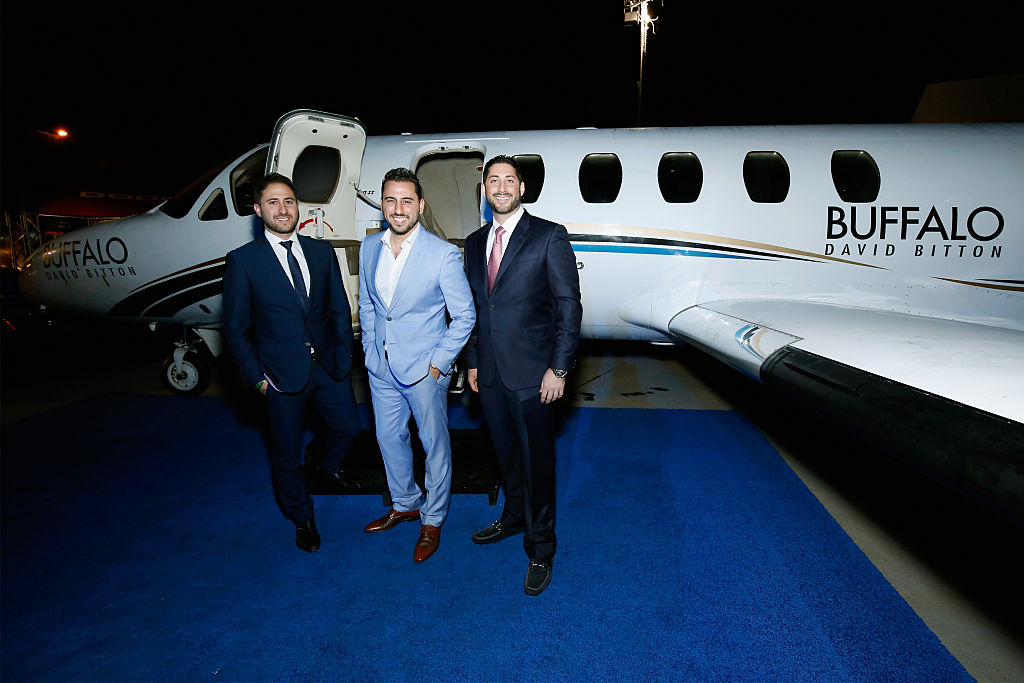
In recent years, the aviation industry has experienced a significant transformation with the rise of private plane services. This case study explores the factors contributing to the growth of this sector, the business models employed by private aviation companies, and the implications for both clients and the broader travel industry.
Background
Historically, private jet travel was associated primarily with the ultra-wealthy and corporate executives. However, the landscape has shifted dramatically due to advancements in technology, changing consumer preferences, and an increased focus on personalized travel experiences. The global private aviation market was valued at approximately $24 billion in 2020 and is projected to reach $40 billion by 2026, according to industry reports.
Factors Driving Growth
- Increased Demand for Flexibility: The COVID-19 pandemic has accelerated the demand for private aviation as travelers seek safer and more flexible travel options. With commercial airlines facing operational challenges, private planes offer a reliable alternative, allowing passengers to avoid crowded airports and adhere to their schedules.
- Technological Advancements: Innovations in booking platforms and mobile applications have made it easier for customers to charter flights. Companies like JetSuite and Blade have introduced user-friendly apps that allow clients to book flights, track aircraft availability, and manage their travel itineraries seamlessly.
- Diverse Clientele: While corporate clients remain a significant segment, private aviation services are increasingly attracting leisure travelers, families, and even first-time flyers seeking unique travel experiences. This diversification has expanded the market and encouraged companies to tailor their offerings to meet varying customer needs.
- Membership and Fractional Ownership Models: Companies such as NetJets and Flexjet have popularized fractional ownership and membership models, making private aviation more accessible. Clients can purchase shares in a jet or pay a membership fee for access to a fleet of aircraft, significantly lowering the cost barrier associated with private flying.
Business Models in Private Aviation
Private plane services operate under several business models, each catering to different customer segments and preferences:
- Charter Services: Traditional charter services allow clients to rent an aircraft for a specific journey. This model is flexible and ideal for those who require on-demand travel without the commitment of ownership. Companies like PrivateFly and Air Charter Service have capitalized on this model, offering a wide range of aircraft options.
- Fractional Ownership: As mentioned earlier, fractional ownership allows clients to buy a share of an aircraft, sharing costs and access with other owners. This model provides the benefits of private jet travel without the full financial burden of owning an entire plane. NetJets, a leader in this area, has a vast fleet and established reputation, making it a preferred choice for many.
- Jet Card Programs: Jet cards are prepaid flight hours that offer clients guaranteed access to a specific type of aircraft. This model combines the benefits of chartering and ownership, allowing clients to enjoy the convenience of private travel without the complexities of managing an aircraft. Companies like Sentient Jet have successfully marketed jet card programs to frequent travelers.
- On-Demand Services: Startups like Blade and Wheels Up have introduced on-demand services that allow users to book flights via mobile apps, similar to ride-sharing platforms. This model appeals to younger, tech-savvy travelers who prioritize convenience and flexibility.
Implications for Clients
The rise of private plane services has transformed the travel experience for many clients. The benefits of private aviation include:
- Time Savings: Private jets can access smaller airports, reducing travel time and increasing efficiency. Clients can arrive just minutes before departure and avoid long security lines.
- Personalized Experience: Private aviation companies often provide tailored services, from gourmet catering to customized itineraries. This level of personalization enhances the overall travel experience, making it more enjoyable and memorable.
- Privacy and Comfort: For high-profile individuals, the privacy offered by private jets is invaluable. Clients can conduct meetings, relax, or enjoy quality time with family without the distractions often found in commercial travel.
- Safety and Health: In the wake of the pandemic, many travelers prioritize health and safety. Private aviation allows for controlled environments, reducing exposure to potential health risks associated with crowded commercial flights.
Challenges Facing the Industry
Despite the growth of private plane services, the industry faces several challenges:
- Environmental Concerns: The aviation sector is under increasing scrutiny for its carbon footprint. For more info about homepage look at our own web site. Private aviation is often criticized for its environmental impact, leading companies to explore sustainable practices, such as investing in eco-friendly aircraft and carbon offset programs.
- Regulatory Hurdles: Navigating the complex regulatory landscape can be challenging for private aviation companies. Compliance with safety standards and air traffic regulations requires significant resources and expertise.
- Market Volatility: Economic fluctuations can impact the demand for private aviation. During economic downturns, luxury travel often sees a decline, prompting companies to adapt their strategies to maintain profitability.
Conclusion
The rise of private plane services has reshaped the aviation landscape, offering a unique blend of luxury, flexibility, and personalized travel experiences. As the market continues to grow, driven by technological advancements and changing consumer preferences, private aviation companies must navigate challenges such as environmental concerns and regulatory complexities. By embracing innovation and adapting to client needs, the private aviation sector is poised for continued success in the coming years. The future of travel may well be in the skies, where convenience and comfort take flight in a new era of luxury travel.
No listing found.