
hob6076n
About hob6076n
Guide To Hobs Sales: The Intermediate Guide For Hobs Sales
The Growing Market of Hobs Sales: Trends, Innovations, and Buying Guide
In the world of kitchen home appliances, couple of products play as pivotal a role as hobs. These cooking devices not only act as the primary source of heat for meal preparation but also play a considerable function in the looks and functionality of modern-day kitchens. As consumer choices progress, so too does the market for hobs, which has actually seen exceptional growth and innovation in current years. This article digs into the trends forming hob sales, the innovations driving item development, and a guide for prospective purchasers browsing this lively market.
Comprehending Hobs: Types and Features
Hobs are flat cooking surface areas that include several burners utilized for cooking. They are available in numerous types, each with its own features and advantages. Here are the primary types of hobs available in the market today:
-
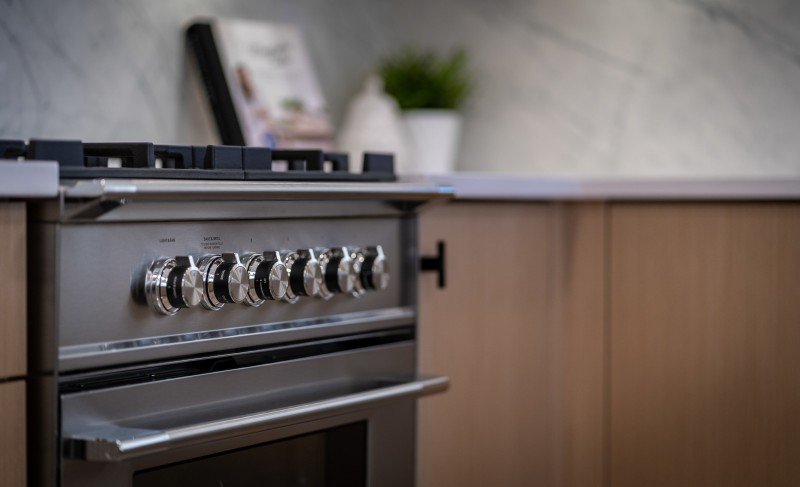
Gas Hobs:
- Use gas as fuel, providing instantaneous heat and accurate temperature level control.
- Typically preferred by professional chefs for their responsiveness.
-
Electric Hobs:
- Include traditional coil burners and smooth ceramic or glass surface areas.
- Supplies consistent heat and is simpler to tidy than gas hobs.
-
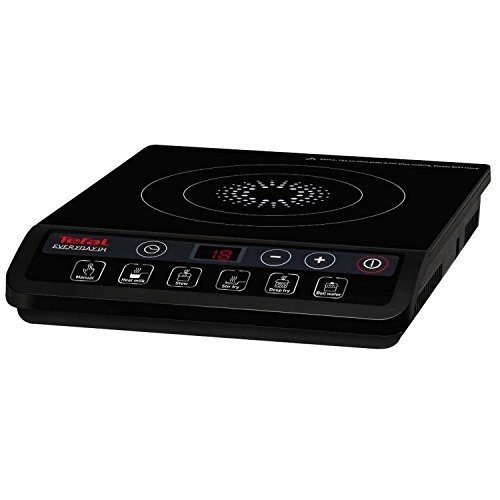
Induction Hobs:
- Use electromagnetic energy to heat pots and pans straight.
- More energy-efficient and safer, as they remain cool to the touch.
-
Hybrid Hobs:
- Combine both gas and induction features.
- Enable users to switch between gas and induction cooking as required.
| Kind of Hob | Advantages | Drawbacks |
|---|---|---|
| Gas | Immediate heat, exact control | Installation requires gas line |
| Electric | Consistent heating, easy to tidy | Slower heating process |
| Induction | Energy-efficient, more secure cooking | Requires suitable pots and pans |
| Hybrid | Versatile, versatile to user choices | Normally more costly |
Existing Trends in Hobs Sales
As the cooking landscape continues to develop, a number of essential trends are affecting hob sales:
1. Smart Technology Integration
Smart hobs equipped with Wi-Fi or Bluetooth connectivity are becoming progressively popular. These devices can be managed through mobile phones or tablets, offering features such as remote tracking, precise temperature level settings, and integration with other wise devices in the kitchen.
2. Sustainability Concerns
With a growing awareness of ecological issues, numerous customers are now looking for energy-efficient appliances. Induction hobs, for instance, use substantially less energy than their gas equivalents and permit faster cooking times. This pattern has actually stimulated makers to develop more eco-friendly items.
3. Personalized Designs
Customers increasingly seek devices that match their kitchen decoration and personal style. As a reaction, manufacturers are using hobs in a variety of surfaces and setups, including modular designs that enable for a tailored cooking experience.
4. Concentrate On Safety Features
Safety is a critical issue for many households, especially those with kids. Many modern-day hobs are equipped with functions like automated shut-off, kid locks, and heat indicators, making them much safer for everyday usage.
5. Multi-functionality
The need for multi-functional appliances has actually resulted in the advancement of hobs that can accommodate different cooking strategies, such as grilling, steaming, and boiling. This adaptability interest home cooks who want to optimize their kitchen space.
The Impact of Online Sales on Hob Purchases
The digital marketplace has reinvented how customers buy hobs. Online retail websites and e-commerce platforms like Amazon and specialized home device sites have made it more convenient for customers to research and compare products.
Key Benefits of Online Shopping for Hobs:
- Wider Selection: Online platforms provide a wider variety of products than many physical stores.
- Customer Reviews: Potential buyers can read reviews and rankings from other consumers, helping in decision-making.
- Competitive Pricing: Online shopping often permits users to discover better offers and discount rates.
- Benefit: Consumers can go shopping from the convenience of their own homes and have items provided straight to their doorstep.
Buying Guide: Choosing the Right Hob
With so numerous alternatives readily available, picking the best hob can be daunting. Here are some key factors to consider to remember:
1. Cooking Style:
- Assess cooking routines and preferences. For example, those who choose fast cooking may lean towards induction hobs, whereas traditionalists might prefer gas.
2. Kitchen Space:
- Evaluate the offered kitchen area. Is there enough space for a bigger hob, or would a compact model be preferable?
3. Installation Type:
- Determine if your kitchen has the required energies for gas or if a plug-in electric design is better.
4. Security Features:
- Look for hobs with sophisticated safety functions, especially if there are children in the home.
5. Budget:
- Establish a spending plan, keeping in mind that while some hobs might have a greater initial cost, they may offer much better energy performance and longevity, leading to long-term savings.
As the kitchen appliance market continues to grow and progress, the need for hobs is likely to increase, driven by innovations and altering customer preferences. Understanding the different types, trends, and functions is essential for anyone aiming to purchase a hob. By thinking about personal cooking styles, kitchen space, and security features, consumers can make educated decisions that fit their needs and boost their culinary experience.
Often Asked Questions
1. What are the main differences in between gas and induction hobs?Gas hobs supply instant heat and temperature control, while induction hobs are more energy-efficient and cook faster as they warm the pots and pans straight.
2. Are induction hobs (click through the up coming page) safe for homes with children?Yes, induction hobs often feature built-in security functions like automated shut-off and cool surface areas that make them a more secure choice for homes with kids.
3. Can I use any pots and pans on an induction hob?Induction hobs require ferrous (magnetic) pots and pans. Always examine if your pots and pans are suitable before acquiring an induction cooking system.
4. Are wise hobs worth the financial investment?Smart hobs can be a fantastic investment for tech-savvy users who appreciate remote control performances and energy management alternatives.
5. How do I maintain my hob?Upkeep varies by type; however, usually, it involves routine cleansing, looking for damage, and making sure that burners or elements are working correctly.
By considering these insights, customers can navigate the diverse world of hobs and pick the best cooking appliance for their homes.
No listing found.